New Hampshire has long held a unique place in the American gambling landscape. While many states have embraced large-scale commercial casinos or tribal gaming, the Granite State has taken a more measured, community-oriented approach. With a strong focus on charitable gaming and lottery-funded public initiatives, New Hampshire balances economic benefits with social responsibility. As gambling laws continue to evolve in 2025, residents and businesses alike are paying closer attention to the rules governing everything from poker games to online betting.
This article explores the current state of gambling in New Hampshire, recent legislative developments, the regulatory framework, and what might lie ahead in the near future.
1. Legal Forms of Gambling in New Hampshire
State Lottery
New Hampshire was the first state to introduce a modern state-run lottery, launching it in 1964. Over the decades, the lottery has expanded to include draw games like Powerball and Mega Millions, as well as scratch tickets and online purchases, which became available in 2018. All lottery participants must be at least 18 years old.
Sports Betting
Sports betting was legalized in 2019, with DraftKings selected as the exclusive operator. The platform offers both online betting and in-person wagering through self-service kiosks in various locations including Manchester, Dover, Nashua, and Seabrook. The legal betting age is currently 18, although there has been debate over raising it to 21.
Parimutuel Wagering
Although horse and greyhound racing are permitted under New Hampshire law, there are no active racing tracks in the state. However, off-track betting remains legal, with venues like The Brook (formerly Seabrook Greyhound Park) offering simulcast wagering and betting terminals.
Charitable Gaming
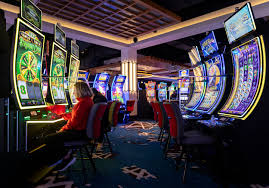
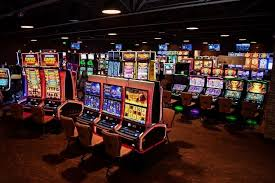
Charitable gaming has been legal in New Hampshire since 1977 and has grown significantly in recent years. Nonprofit organizations can host poker tournaments, bingo games, raffles, and other events. In 2021, the state allowed the use of historical horse racing (HHR) machines at charitable venues—electronic terminals that resemble slot machines but base outcomes on previous horse races. Recent legislation has increased bet limits and opened the door to more tournament-style games.
No Commercial or Tribal Casinos
New Hampshire does not permit commercial casinos, nor does it have federally recognized tribes that would allow tribal gaming. Instead, gaming venues operate under charitable gaming laws and must allocate a portion of profits to licensed nonprofit organizations.
2. Regulatory and Enforcement Oversight
The New Hampshire Lottery Commission, now expanded to include broader gaming oversight, regulates all gambling activities in the state. A special Gaming Regulatory Oversight Authority manages rules related to lottery, charitable gaming, and sports betting.
Gambling violations are taken seriously. Operating unauthorized gambling machines, promoting illegal betting, or failing to comply with licensing requirements can result in misdemeanors or Class B felony charges, depending on the scale and nature of the offense.
3. Recent Legislative Developments (2024–2025)
HB 2 – Expanded Charitable Gaming
In mid-2025, the state passed HB 2, significantly expanding the scope of charitable gaming. The law allows venues to install an unlimited number of video lottery terminals (VLTs), introduces taxable table-game tournaments, and consolidates self-exclusion lists to better protect problem gamblers. These changes aim to modernize gaming without moving toward a full commercial casino model.
SB 168 – Online Casino Gaming Proposal
Early in 2025, a bill was introduced to legalize online casino gaming (also known as iGaming). The bill proposed allowing adults aged 18 and over to play online slots, poker, and table games through operators tethered to charitable venues. A 45 percent tax on gross gaming revenue was proposed, with proceeds earmarked for education and social services. Although the bill died in committee, it sparked a statewide conversation about the future of online gaming in New Hampshire.
HB 83 – Age Limit Debate
HB 83 proposed raising the minimum age for sports betting from 18 to 21. Advocates cited concerns about underage addiction and long-term brain development. However, the bill failed to gain traction and was postponed indefinitely.
Additional Reforms
The state also debated removing the $50 cap on single table-game bets at charitable casinos, a move aimed at attracting high-stakes players and competing with out-of-state venues. Local-option measures have also been discussed, allowing individual communities to vote on whether to permit expanded gaming facilities within their borders.
4. Why New Hampshire Takes This Approach
Unlike states that view gambling primarily as a revenue-generating engine, New Hampshire’s gambling laws are deeply tied to community benefit. Charitable gaming laws require a portion of all proceeds to go to nonprofits, ensuring that gambling revenues support causes such as education, healthcare, and social services. This model has allowed the state to offer various forms of gaming without fully embracing commercial casinos or tribal compacts.
Moreover, regulatory caution reflects concerns over gambling addiction, public health, and financial exploitation. Legislators have generally sought incremental changes rather than sweeping reforms, often requiring community input and extensive oversight.
5. The Road Ahead
As of 2025, New Hampshire’s gambling laws are in a period of cautious transition. The expansion of charitable gaming and ongoing debate around online casinos suggest growing interest in broader legalization. However, the state remains committed to maintaining a structure that prioritizes community impact and regulatory control.
Future developments could include:
- Renewed efforts to legalize online casino gaming through a revised version of SB 168
- Removal of bet caps for table games to attract higher-stakes gamblers
- Continued discussions on adjusting age limits and implementing stronger responsible gaming tools
- Local referenda that give individual towns more say in gaming policy
Final thoughts
Gambling in New Hampshire has evolved from a simple state lottery to a diverse ecosystem that includes sports betting, charitable poker rooms, and historical racing machines. While the state resists large-scale commercial casino development, recent legislative changes signal a willingness to modernize and expand its offerings—so long as community benefits and regulatory safeguards remain intact.
Whether you’re a casual player, a gaming industry professional, or a policymaker, understanding New Hampshire’s careful and community-driven approach is essential to navigating the present and anticipating the future of gambling in the Granite State.