Indiana sits at the heart of the Midwest, and when it comes to gambling, the state strikes a balance between conservative oversight and progressive growth. Once limited to riverboat casinos and pari-mutuel wagering, Indiana’s gambling landscape has grown to include retail casinos, mobile sports betting, and a thriving lottery system.
If you’re a resident or just visiting, understanding what kinds of gambling are legal in Indiana—and how they’re regulated—can make a big difference in how you participate. This guide outlines what’s currently permitted, how the laws have evolved, and where things might go next.
Types of Legal Gambling in Indiana
1. Casinos and Riverboats
Indiana first legalized riverboat casinos in the mid-1990s, launching a major transformation of its gambling industry. Although these casinos were originally required to operate on water, later legislation allowed them to move onto land.
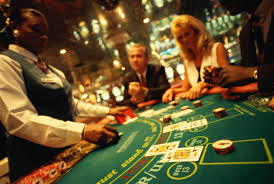
Today, the state features 13 state-regulated casinos, some of which operate as “racinos”—race tracks combined with casino gaming. These establishments offer:
- Slot machines
- Table games (like blackjack, craps, and roulette)
- Poker rooms (at select properties)
Casinos in Indiana are regulated by the Indiana Gaming Commission, which enforces licensing and compliance standards.
2. Sports Betting (Retail and Online)
In 2019, Indiana legalized sports betting, becoming one of the earlier adopters in the U.S. following the Supreme Court’s ruling to overturn the federal ban. Both in-person and online/mobile sports wagering are legal and thriving in the state.
Bettors can wager on:
- Professional sports (NFL, NBA, MLB, etc.)
- College athletics (including Indiana teams)
- International events
- Live, in-game betting markets
Popular apps like FanDuel, DraftKings, and BetMGM operate under licenses tied to brick-and-mortar casinos. Users must be 21 or older and physically located in Indiana at the time of placing a bet.
3. Horse Racing and Off-Track Betting
Horse racing is a longstanding part of Indiana’s gambling history. The state features two primary race tracks:
- Horseshoe Indianapolis (formerly Indiana Grand)
- Harrah’s Hoosier Park
Both tracks offer live thoroughbred and harness racing. In addition to on-site betting, the state permits off-track betting (OTB) and online pari-mutuel wagering through licensed providers.
4. State Lottery
The Hoosier Lottery, launched in 1989, offers:
- Scratch-off instant tickets
- Daily draw games
- Multi-state lotteries (like Powerball and Mega Millions)
- Online second-chance promotions and subscription services
Lottery proceeds go toward state programs including teacher pensions, local infrastructure, and public safety funding.
5. Charitable Gaming
Nonprofit organizations in Indiana can host licensed charitable gaming events, which may include:
- Bingo
- Raffles
- Casino-style nights
- Pull-tabs
All events must be registered and comply with rules set by the Indiana Gaming Commission’s Charitable Gaming Division. Revenue must benefit a charitable cause, not private individuals or commercial businesses.
6. Video Gaming and Skill-Based Machines
Unlike neighboring Illinois, Indiana does not allow widespread video gaming terminals (VGTs) in bars, restaurants, or truck stops. However, licensed casinos and racinos may operate video slot machines and electronic table games.
Skill-based machines (sometimes found in bars or convenience stores) operate in a legal gray area, and enforcement varies by county and local ordinances.
Online Gambling in Indiana: Where It Stands
✅ Legal:
- Online sports betting through licensed sportsbooks
- Online horse race betting via pari-mutuel platforms
- Lottery subscriptions and promotions (limited to certain services)
❌ Not Legal:
- Online casinos (real-money slots, table games, and poker)
- Online daily fantasy sports, while available, are not fully regulated or specifically authorized under state law
Efforts to legalize full-scale online casino gaming have been discussed but not yet passed by the Indiana legislature. Some lawmakers support the idea as a way to modernize gaming and capture tax revenue lost to neighboring states and offshore operators.
Age Requirements for Gambling
Indiana enforces the following minimum ages for gambling activities:
- 21+ for casino gambling and sports betting
- 18+ for the lottery and pari-mutuel horse betting
- 18+ for charitable gaming (with restrictions depending on the event type)
Strict ID verification is required across all regulated platforms and venues.
Regulation and Oversight
The Indiana Gaming Commission (IGC) oversees most gambling activities in the state, including:
- Casino licensing and inspections
- Sportsbook approvals and audits
- Charitable gaming regulation
- Enforcement of responsible gambling practices
Operators must comply with detailed rules regarding player protection, transparency, and responsible gambling. Indiana offers a voluntary exclusion program, allowing individuals to ban themselves from gambling venues and apps for a set period or permanently.

Recent and Upcoming Developments
Indiana continues to modernize its gambling laws and infrastructure. Key developments include:
- Expansion of land-based casino licenses, including facilities in Terre Haute and Gary
- Increasing tax revenues from mobile sports betting, which consistently bring in tens of millions in monthly wagers
- Discussions around iGaming, which could include legal online casinos and poker within the next few legislative sessions
Public sentiment around gambling remains mixed, but as revenue continues to grow and digital demand rises, Indiana is likely to keep evolving its approach.
Indiana offers one of the Midwest’s most accessible and well-regulated gambling markets. From racetracks and riverboats to mobile betting apps, the state provides a wide range of options for players—while maintaining firm oversight and clear boundaries. Whether you’re a casual lottery player, a serious sports bettor, or someone watching the future of online gaming, Indiana is a state to keep an eye on.