Maine, known for its picturesque landscapes and vibrant communities, has a complex relationship with gambling that reflects both its cultural heritage and modern legal frameworks. As gambling continues to evolve across the United States, so too do the laws governing it in the Pine Tree State. This blog post will provide a detailed overview of gambling laws in Maine, covering various types of gambling, licensing, regulatory bodies, and recent developments.
Historical Context
Gambling has been a part of Maine’s culture for centuries, but formal regulations began to take shape in the late 20th century. The legalization of gambling in Maine can be traced back to the establishment of the first state-sanctioned lottery in 1974. Over the years, laws have evolved to accommodate various forms of gambling, including casinos, racetracks, and charitable gaming.
Types of Gambling in Maine
Maine’s gambling landscape encompasses several key areas:
1. State Lottery
Maine’s State Lottery, established in 1974, is one of the most popular forms of gambling in the state. It includes traditional draw games, instant win scratch tickets, and multi-state games like Powerball and Mega Millions. Proceeds from the lottery fund essential services such as education and public safety.
2. Casino Gambling
Maine is home to two major casinos:
- Hollywood Casino in Bangor
- Oxford Casino in Oxford
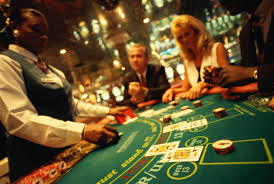
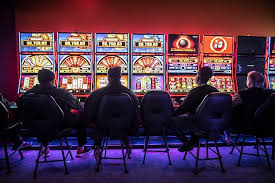
Both casinos offer a range of gaming options, including slot machines, table games, and poker. The casinos are regulated by the Maine Gambling Control Board, which ensures compliance with state laws and regulations.
3. Racetracks
Maine has a rich history of horse racing, with several racetracks operating throughout the state. These venues offer live horse racing, as well as simulcast betting on races from around the country. The Maine Harness Racing Commission oversees racing operations, ensuring fair practices and safety standards.
4. Charitable Gaming
Charitable gaming, including bingo, raffles, and games of chance, is also legal in Maine. Non-profit organizations can apply for licenses to conduct these activities, with regulations in place to ensure that the proceeds are used for charitable purposes. The Maine Gambling Control Board regulates this aspect of gambling, providing guidelines for organizations to follow.
5. Online Gambling
In recent years, Maine has made strides toward embracing online gambling. While there is no state-run online casino, players can access online sports betting and daily fantasy sports through licensed operators. The state continues to explore opportunities for expanding online gambling options.
Licensing and Regulation
The Maine Gambling Control Board (MGCB) is the primary regulatory body overseeing gambling activities in the state. The board is responsible for licensing casinos, racetracks, and charitable gaming organizations, ensuring compliance with state laws.

Licensing Process
- Casinos and Racetracks: Operators must submit comprehensive applications, demonstrating their financial stability, operational plans, and adherence to regulations. The MGCB conducts thorough background checks and reviews before granting licenses.
- Charitable Organizations: Non-profits wishing to conduct charitable gaming must apply for a license, detailing their fundraising plans and how proceeds will benefit their cause.
Compliance and Enforcement
The MGCB monitors gambling operations to ensure compliance with state laws. Regular audits and inspections are conducted to prevent illegal activities, protect consumers, and maintain the integrity of gaming operations.
Recent Developments
Maine’s gambling laws continue to evolve in response to changing societal attitudes and technological advancements. Recent developments include:
- Expansion of Sports Betting: In 2019, Maine legalized sports betting, allowing both retail and online sports betting. While it took time for regulations to be finalized, this move reflects a growing acceptance of gambling as a legitimate form of entertainment.
- Potential for Online Casinos: There has been ongoing discussion about expanding online gambling options in Maine. As other states have successfully launched online casinos, Maine lawmakers are considering similar measures to keep pace with industry trends.
Responsible Gambling
As gambling becomes more accessible, promoting responsible gambling practices is essential. The state provides resources for individuals seeking help with gambling addiction, including the Maine Council on Problem Gambling. Programs focus on education, prevention, and treatment, ensuring that individuals and families are supported in making informed decisions about gambling.

Maine’s Gambling Culture: Striving for Safe and Responsible Entertainment
Maine’s gambling laws reflect a careful balance between providing entertainment and protecting the interests of its citizens. As the landscape continues to change, stakeholders—including lawmakers, regulators, and operators—must work together to ensure that gambling in Maine remains a safe, enjoyable experience for all. Whether you’re a local resident or a visitor, understanding these laws can enhance your appreciation of the state’s rich gambling culture while ensuring a responsible approach to gaming activities.