Minnesota, with its beautiful lakes and outdoor activities, offers a wide range of legal gambling options to its residents. From tribal casinos to the state-run lottery, and even charitable gambling, Minnesotans have plenty of legal avenues to place a bet. However, like many states, Minnesota has specific regulations in place to ensure that gambling activities are conducted responsibly and fairly. In this blog post, we’ll break down the various legal forms of gambling in Minnesota, including what’s allowed, what’s prohibited, and how the state regulates gambling.
Overview of Gambling in Minnesota
Gambling in Minnesota has a rich history, and while the state has been slow to embrace certain forms of gambling, it has steadily expanded legal options in recent decades. Minnesota’s gambling laws are regulated at both the state and federal levels, with various agencies overseeing everything from the state’s lottery to tribal casinos and charitable gambling events.
Legal Forms of Gambling in Minnesota
While Minnesota does not have the extensive range of gambling options found in some other states, it does offer several legal ways to gamble. Let’s take a closer look at these options:
1. Tribal Casinos
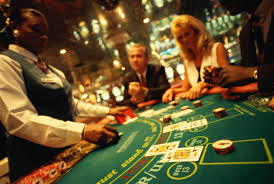
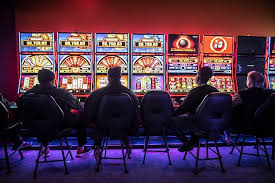
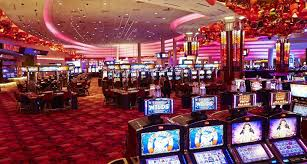
Minnesota is home to a number of Native American tribes that operate casinos on their sovereign lands. The Minnesota Indian Gaming Association (MIGA) oversees tribal gaming operations, which include slot machines, blackjack, poker, and other table games. There are currently 19 tribal casinos in the state, with popular destinations like Mystic Lake Casino and the Grand Casino Mille Lacs. These casinos are permitted to operate under compacts negotiated between the tribes and the state, which regulate the types of games offered and ensure fair gaming practices.
2. State Lottery
The Minnesota State Lottery was established in 1988, and it is one of the state’s most popular legal gambling options. The lottery offers various games, including scratch-off tickets, instant win games, daily draw games, and multi-state lottery games such as Powerball and Mega Millions. The Minnesota Lottery has contributed significant revenue to the state’s general fund, with a large portion going to environmental and conservation programs.
Minnesota Lottery games are available for purchase at retailers throughout the state, and players can also buy tickets online for certain games. The state also offers a mobile app for convenient ticket purchases and game tracking.
3. Charitable Gambling
Charitable gambling is another legal form of gambling in Minnesota. This includes bingo, pull-tabs, raffles, and other forms of gaming organized by non-profit organizations. The purpose of these events is to raise money for charitable causes, and they are regulated by the Minnesota Gambling Control Board. Organizations must apply for a license and comply with strict guidelines to ensure the integrity of their events.
In Minnesota, charitable gambling is quite popular and often takes place at local events, fairs, and community gatherings. The funds raised through these events go toward various causes, including education, healthcare, and community support.
4. Horse Racing and Pari-Mutuel Wagering
Minnesota also allows legal gambling on horse racing through pari-mutuel wagering, where bettors place wagers on the outcome of horse races. The state has two active racetracks: Canterbury Park and Running Aces. These venues host live racing events, and off-track betting is also allowed at licensed locations. Minnesota residents can place bets on races both in person at the racetracks and through online platforms authorized by the state.
While horse racing was once a major gambling draw in Minnesota, it has seen a decline in recent years, but it remains an important part of the state’s gambling landscape.
5. Online Gambling (Limited)
While Minnesota does not currently permit online casino gambling or online poker, residents are allowed to engage in online lottery games through the Minnesota Lottery’s official website and mobile app. The state has also discussed potential expansions in online gambling, especially as more states in the U.S. legalize online gaming. However, as of now, online casinos and poker rooms remain illegal in the state.
Illegal Forms of Gambling in Minnesota
While Minnesota provides a broad range of legal gambling opportunities, there are also several forms of gambling that are prohibited in the state. Here are some of the key illegal gambling activities:
1. Unlicensed Casinos
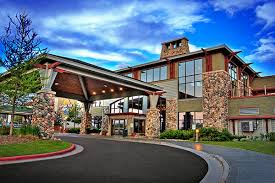
In Minnesota, all casinos must be run by Native American tribes under the agreements established by the Indian Gaming Regulatory Act (IGRA). Any non-tribal casino operating in Minnesota is illegal. So, commercial casinos that are not affiliated with a Native American tribe are prohibited under state law.
2. Sports Betting
Sports betting is not currently legal in Minnesota. While there have been discussions surrounding the legalization of sports betting, particularly after the Supreme Court’s decision to strike down the federal ban on sports betting in 2018, no bills have passed allowing for either in-person or online sports wagering. Minnesotans who engage in sports betting on unlicensed online sites or with unauthorized bookies are breaking the law.
3. Online Casinos and Poker
Minnesota does not permit online casino gambling or online poker. Players who access unlicensed online casino websites or poker rooms may be participating in illegal gambling activities. While the state has not yet pursued widespread enforcement of illegal online gambling, residents are still encouraged to avoid these activities.
4. Underground Gambling
Private gambling events, such as underground poker games or unlicensed betting, are illegal in Minnesota. These types of unregulated gambling operations can lead to criminal charges for both participants and organizers. It is important to only engage in gambling activities that are licensed and regulated by the state.
Gambling Regulations and Licensing
The Minnesota Gambling Control Board (GCB) is responsible for regulating gambling activities in the state. This includes overseeing charitable gambling operations, licensing and regulating pari-mutuel wagering at racetracks, and ensuring that all gaming activities comply with state law. The GCB also ensures that gambling operations are conducted in a manner that promotes fairness and integrity.
Additionally, the Minnesota Lottery is overseen by the Minnesota State Lottery Commission, which regulates the operation of the state’s lottery games and ensures they are run fairly.
Tribal casinos operate under compacts negotiated between the state and Native American tribes, and they are regulated by both federal and state laws. These casinos must adhere to strict guidelines to ensure that games are fair and that a portion of their revenue is used to support state programs, such as education.
Taxation of Gambling Winnings in Minnesota
Gambling winnings in Minnesota are subject to state income tax. All forms of gambling, including winnings from the state lottery, tribal casinos, charitable gambling events, and horse racing, are considered taxable income. Winnings over a certain threshold must be reported to the state, and players will be required to pay taxes on their earnings.
For example, lottery winnings over $600 and casino winnings over $1,200 are typically subject to withholding taxes. Minnesota also has a state income tax, so players will need to report all gambling income on their state and federal tax returns.
The Future of Gambling in Minnesota
Minnesota’s gambling laws have evolved significantly over the years, and there is continued interest in expanding legal gambling options. Proposals to legalize sports betting and online poker have been debated in the state legislature, but as of now, these efforts have not succeeded. It is possible that in the future, Minnesota will revisit these issues and legalize additional forms of gambling, especially as other states move to expand their gaming laws.
For now, Minnesota residents can continue to enjoy the range of legal gambling options available, including tribal casinos, charitable gambling, the state lottery, and pari-mutuel betting on horse races. The state’s strict regulations ensure that gambling remains safe, fair, and transparent.
Conclusion
Minnesota offers a range of legal gambling opportunities, including tribal casinos, the state lottery, charitable gambling, and pari-mutuel wagering. While certain forms of gambling like sports betting and online casinos remain illegal, there are still plenty of options for those looking to try their luck. The state continues to regulate gambling activities closely, ensuring fairness and integrity. Whether you’re visiting a tribal casino or buying a lottery ticket, it’s essential to understand the laws and regulations that govern gambling in Minnesota.