Virginia, like many other states in the U.S., has seen a significant shift in its approach to gambling in recent years. Historically known for its strict stance on gaming, the state has evolved, especially in the last few years, allowing several forms of gambling that were previously prohibited. This shift is part of a larger national trend of legalizing various gambling activities, particularly with the increased acceptance of sports betting and online gaming.
In this blog post, we will dive deep into Virginia’s gambling laws, covering the history, legal forms of gambling, recent changes, and what future developments could look like.
The History of Gambling Laws in Virginia
Virginia has had a long-standing relationship with gambling, but its legal framework has been very restrictive for most of its history. It wasn’t until the late 20th century that the state started loosening its grip on certain gambling activities.
- Lotteries: In the early 1980s, Virginia passed a law legalizing the state lottery, marking the first significant departure from its stringent gambling restrictions. The lottery was designed to fund education and has since become a major contributor to public school funding in the state.
- Casinos: Casino-style gambling was historically banned in Virginia until the mid-2010s. However, discussions surrounding the potential for casino legalization grew louder as neighboring states expanded their gambling offerings.
Legal Forms of Gambling in Virginia
Virginia has a variety of legal gambling options, ranging from traditional forms like lotteries to newer methods such as sports betting and online casinos. Here is an overview of the key legal gambling activities in the state:
1. State Lottery
Virginia’s state-run lottery is one of the most popular forms of legal gambling in the state. Established in 1988, the lottery offers a wide range of games, including scratch tickets, draw games, and online lottery tickets. The lottery’s proceeds are primarily directed to education funding.
- Scratch-off tickets: These are sold at various retailers across the state and provide instant prizes for lucky players.
- Draw games: These include popular games such as Powerball, Mega Millions, and Virginia Lottery’s own Pick 3 and Pick 4.
- Online Lottery: In 2020, Virginia launched an online lottery platform, enabling residents to play games like instant win games and buy tickets for lottery draws from their computers and mobile devices.
2. Casinos
Casinos were legalized in Virginia in 2020, but their implementation has been a gradual process. The Virginia General Assembly passed a bill allowing casinos to operate in five cities: Bristol, Danville, Norfolk, Portsmouth, and Richmond.
- Temporary Casinos: The first casino in Virginia, the Rivers Casino Portsmouth, opened its doors in 2022. The project was expected to generate significant tax revenue and employment opportunities in the area.
- Future Developments: Other casinos are still under development, with some expected to open within the next few years.
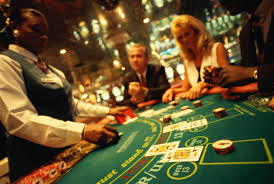
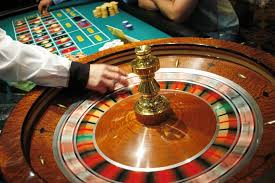
These casinos feature a wide range of games, from slot machines to table games like blackjack, poker, and roulette. They are regulated by the Virginia Lottery Board, which oversees gambling in the state.
3. Sports Betting
Sports betting in Virginia became legal in 2020, marking a significant step in the state’s gambling landscape. The law allows both in-person and online sports betting, making it easier for residents to wager on various sports events. The state’s sports betting market is regulated by the Virginia Lottery, and it is open to both land-based and online operators.
- Online Sports Betting: Major operators like DraftKings, FanDuel, and BetMGM are already active in Virginia, offering a variety of betting options for sports enthusiasts.
- In-Person Sports Betting: Physical sportsbooks are available at casinos such as Rivers Casino Portsmouth, allowing people to place bets on sports in person.
4. Horse Racing and Off-Track Betting
Virginia has a long history with horse racing. While live horse racing is not as popular as it once was, pari-mutuel wagering on horse races remains legal in Virginia.
- Colonial Downs Racetrack: This is Virginia’s primary live horse racing venue, located in New Kent County. Colonial Downs hosts thoroughbred races and allows residents to place wagers.
- Off-Track Betting (OTB): Several off-track betting facilities across the state also allow residents to bet on horse races. These facilities provide simulcast betting on races held at other locations across the U.S.
5. Charitable Gaming
Virginia permits certain forms of charitable gambling, particularly in the form of bingo games and raffles. These activities are regulated by the Virginia Department of Charitable Gaming. Organizations such as religious groups, civic organizations, and nonprofits can host bingo games or raffles to raise money for charitable purposes.
6. Internet Gambling (Skill Games)
Internet gambling, or skill-based games, has been a contentious issue in Virginia. In 2020, the state passed a law that temporarily legalized skill-based games, which are machines that require some element of skill rather than pure luck, often resembling arcade games. However, the legality of these games remains under scrutiny, and the future of skill-based gambling in Virginia is uncertain.
Key Gambling Laws and Regulations in Virginia
Virginia has a range of regulations governing the various forms of gambling within the state. Here are a few important points to know:
- Age Restrictions: To play the state lottery or bet on sports, individuals must be at least 18 years old. To gamble in a casino, the legal age is 21 years old.
- Licensing and Regulation: The Virginia Lottery Board is responsible for regulating most forms of gambling in the state, including casinos, sports betting, and the lottery. The Virginia Racing Commission oversees horse racing, while charitable gaming is regulated by the Virginia Department of Charitable Gaming.
- Taxation of Gambling Winnings: Gambling winnings in Virginia are subject to state income tax. Sports betting and casino winnings are taxed at a rate of 15%, while lottery winnings may be taxed at both the state and federal levels.
- Advertising and Promotions: Virginia has strict rules governing the marketing of gambling activities. This includes restrictions on advertising targeted to minors, as well as rules ensuring that gambling promotions are fair and transparent.
Recent Developments and Future Trends
Virginia has witnessed significant changes to its gambling laws in recent years, and more developments are expected in the future. Here are a few notable trends to keep an eye on:
- Expanding Casinos: As more cities in Virginia prepare to host casinos, the state’s gambling landscape will continue to evolve. New casinos are expected to offer a variety of gaming options, including more diverse slot machines and table games.
- Sports Betting Expansion: While Virginia’s sports betting market has been successful, there are discussions around expanding this market even further. This may include the introduction of new sports betting options or the ability to wager on in-play bets more extensively.
- Online Gaming: The future of online casinos and poker remains uncertain, but there have been calls for legalizing these forms of online gambling in the state. If online poker or online casinos become legalized, it would further diversify Virginia’s gambling offerings.
Conclusion
Virginia has undergone a major transformation in its approach to gambling over the past few years. From the legalization of casinos and sports betting to the expansion of the lottery and charitable gambling, the state is becoming more open to various forms of gaming. As the state continues to embrace new gambling opportunities, it will likely remain a key player in the southeastern U.S. gambling market.
Whether you’re a sports fan looking to place a bet on the big game, a casino enthusiast hoping to try your luck at the tables, or someone looking to play the lottery, Virginia offers a wide range of legal options for residents and visitors alike. As the industry continues to grow and evolve, keep an eye on future developments that may shape the future of gambling in Virginia.